
POLYURETHANE
Engineered to meet industrial standards, our products enhance operational efficiency while delivering long service life and low maintenance requirements.
What Is Polyurethane?
Polyurethane, commonly abbreviated as PUR or PU, is an exceptionally versatile, elastic, and durable polymer.
Thanks to its unique combination of versatility, flexibility, and adaptability, polyurethane delivers outstanding performance across a wide range of industrial applications.
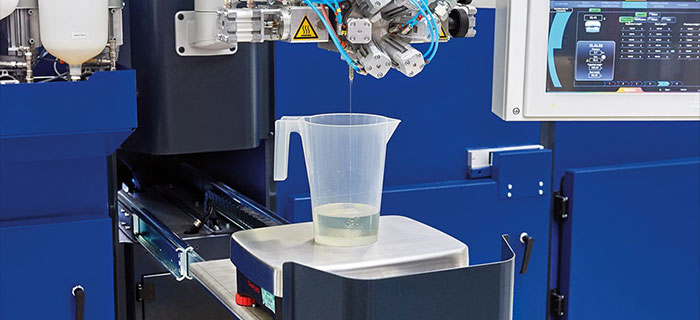
By choosing Mekapol as your engineering partner, you benefit from application-specific solutions for demanding challenges — from prototype development and testing to full-scale production.
What Can Polyurethane Do?
Polyurethane combines a unique range of properties that few other materials can offer in a single solution.
It brings together exceptional durability, dimensional stability, high abrasion resistance, excellent long-term flexibility, and resistance to a wide range of chemicals.
Polyurethane is durable, flexible, and highly versatile. It protects, absorbs impact and vibration, provides insulation, and remains remarkably lightweight.
Even after being subjected to significant mechanical stress, it can rapidly recover its original shape, depending on the formulation and application.
Why Is Polyurethane Widely Used in the Mining Industry?
Self-Cleaning Performance
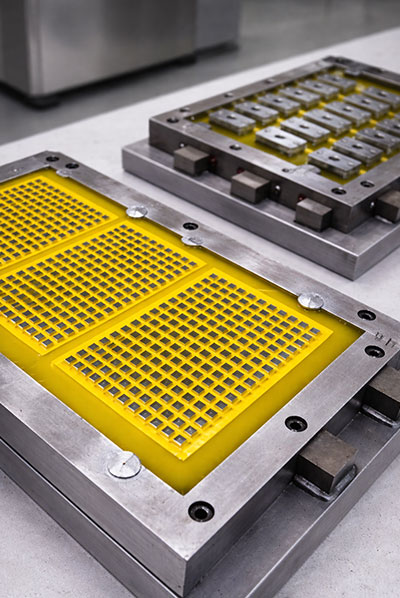
Its flexible structure helps prevent pegging and blinding by allowing adhered material to be released through vibration, helping maintain consistently high screening efficiency.
Superior Abrasion and Impact Resistance
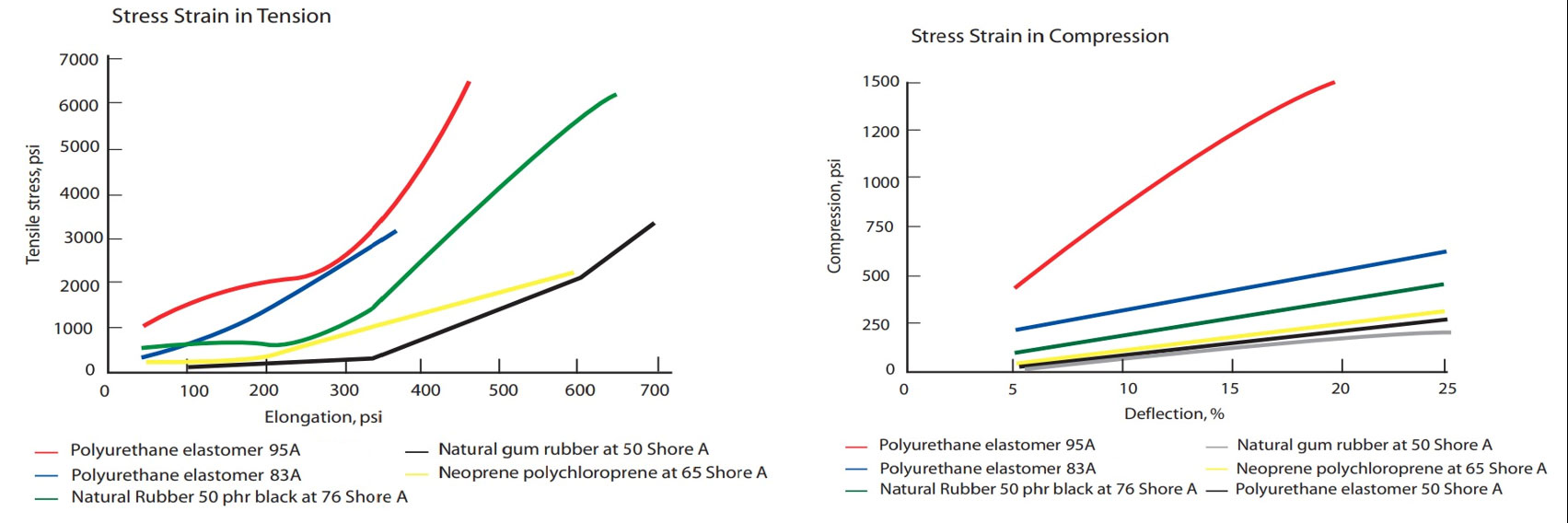
Compared with rubber, polyurethane can provide significantly higher abrasion resistance. Compared with steel wire screening media, its flexibility reduces the risk of cracking and breakage under impact loads.
Long Service Life
Its high mechanical strength provides extended service life, significantly reducing maintenance requirements and the frequency of screen panel replacement.
Quiet and Stable Operation
Compared with steel, polyurethane reduces vibration and noise, contributing to a more stable screening process and improved working conditions.
PU Properties
Exceptional Durability
Polyurethane offers excellent resistance to abrasion, friction, and cutting.
Highly Flexible
Polyurethane deforms under load and reliably returns toward its original shape, providing excellent elastic recovery.
Excellent Damping
Depending on the formulation and application, polyurethane effectively absorbs impact, vibration, and noise.
Wide Hardness Range
Polyurethane components can be manufactured across a wide range of hardness levels, from soft and flexible to hard and rigid.
Excellent Resilience
Depending on the formulation, polyurethane can effectively absorb mechanical forces and release them with excellent elastic recovery.
High Adhesion
Polyurethane can be permanently bonded to metals, enabling the production of durable polyurethane-metal composite components.
Chemical Resistance
The following ratings are used to describe the general performance of Erapols when immersed at ambient temperatures;
A. Recommended - little or no effect.
B. Minor to moderate effect
C. Moderate to severe effect.
X. Not recommended.
| Acetic acid | C | Carbon monoxide | A | Isopropyl acetate | A | Potassium chloride | A |
| Acetone | X | Castor oil | A | Kerosene | A | Potassium cupro cyanide | A |
| Ammonia hydroxide | A | Citric acid | A | Liquefied petroleum gas | A | Potassium cyanide | A |
| Ammonium nitrate | X | Copper chloride | A | Magnesium chloride | A | Potassium dichromate | A |
| Ammonium persulfate | X | Copper cyanide | A | Magnesium hydroxide | A | Potassium nitrate | A |
| Animal fats | A | Copper sulphate | A | Mercury | A | Potassium sulfate | A |
| ASTM oil #1 (70°C) | A | Cottonseed oil | A | Mineral oil | A | Producer gas | A |
| ASTM reference fuel | A | Cyclohexane | B | Natural gas | B | Radiation | A |
| Barium chloride | A | Ferric chloride | A | Nickel sulfate | A | Soap Solutions | A |
| Barium hydroxide | A | FREON-12 (54°C) | A | Nitric acid conc. | X | Sodium chloride | A |
| Barium sulfate | A | FREON-113 | B | Nitric acid dilute | C | Sodium hydroxide (20%) | B |
| Barium sulfide | A | Gasoline | A | Nitric acid and fuming | X | Sodium phosphate | A |
| Borax | A | Gelatin | A | Nitrogen | A | Sodium sulfate | A |
| Boric acid | A | Glucose | A | Octadecane | A | Sodium thiosulfate | A |
| Butane | A | Glue | A | Oleic acid | B | Starch | A |
| Calcium bisulphite | A | Glycerin | A | Olive oil | A | Sulphuric acid (dilute) | B |
| Calcium chloride | A | Hydrochloric acid (cold) 37% | X | Oxygen-cold | A | Sulphuric acid conc. | X |
| Calcium hydroxide | A | Hydrochloric acid (hot) 37% | X | Ozone | A | Sulphuric acid (20% oleum) | X |
| Calcium nitrate | A | Hydrofluoric acid conc. (cold) | X | Palmitic acid | A | Tannic acid (10%) | A |
| Calcium sulfate | A | Hydrofluoric acid conc. (hot) | X | Phosphoric acid (20%) | A | Tartaric acid | A |
| Carbon dioxide | A | Hydrogen gas | A | Phosphoric acid (45%) | A | Toluene | C |